

In the world of pest control, acting without information is just guesswork, and guesswork is expensive. For any Integrated Pest Management (IPM) strategy to succeed, monitoring serves as the vital "eyes and ears" of the operation. Rather than applying treatments on a fixed schedule, monitoring allows businesses and homeowners to make decisions based on what is actually happening in the environment.
Early Detection: Catching Pest Problems Before They Escalate
The primary goal of monitoring is to identify a pest presence before it becomes an infestation. By utilizing specialized traps and lures, you can detect "scout" insects or early-stage rodents.
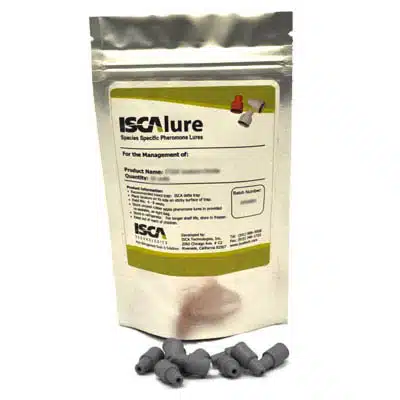
Pheromone Lures
These mimic natural signals to attract specific species, allowing for highly targeted detection.

Sticky Traps
These provide a physical record of pest activity in specific zones.
Detecting a pest problem early usually means the solution is simpler, cheaper, and less invasive. It is the difference between removing a single nest and needing a full-building fumigation.
Sustainability: Precision and Reduced Chemical Use
One of the core tenets of IPM is sustainability. Monitoring provides the data needed to follow the economic threshold, the point at which the cost of pest damage exceeds the cost of control.
Without monitoring, people often resort to "preventative" chemical spraying. This is often unnecessary and can lead to pesticide resistance. With accurate trap data, you only apply treatments where they are needed and when they are needed. This targeted approach protects non-target beneficial insects and reduces the chemical footprint on your property.
Validating Results: Post Treatment Monitoring
Pest monitoring is not just for the beginning of the process; it is also essential for the end. Once a treatment is applied, how do you know it worked?
Post-treatment monitoring confirms whether the pest population has actually decreased.
Trend Analysis: By keeping records of trap counts over months or years, you can identify seasonal patterns, helping you prepare for future outbreaks before they arrive.
Pest Prevention: Identifying "Hot Spots"
Pests are rarely distributed evenly across a facility. They congregate near food sources, moisture, or entry points. A well-placed grid of monitors acts like a map, highlighting "hot spots" that require structural repairs (like sealing a crack in a wall) rather than just more product. This shifts the focus from reaction to prevention.
Monitoring transforms pest control from a blunt instrument into a surgical strike. By integrating high-quality traps and lures into your daily operations, you save money, protect the environment, and ensure long-term peace of mind. Data-driven pest management is not just the future, it is the most effective way to protect your investments today.
Purchase Today!
Maximize your harvest potential this season.
Call 559-402-0411 and speak with a knowledgeable ISCA representative today!
Call to place a commercial order.
Purchase online for home use.
Distributor inquiries welcome.